
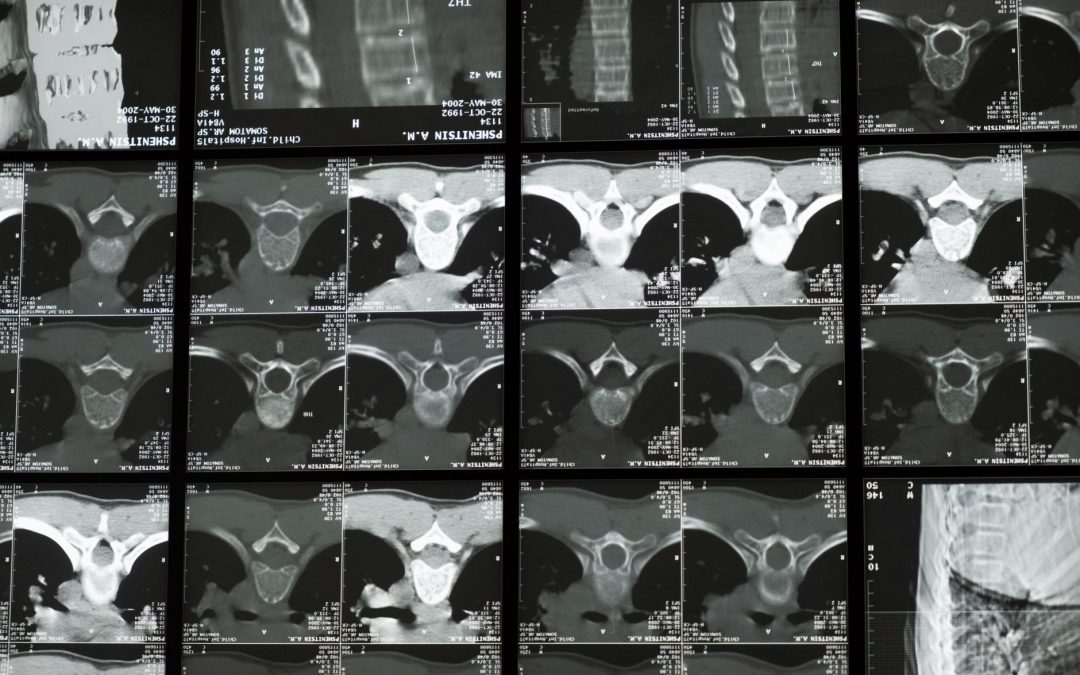
Most screening tests exist because a condition is easier to treat early than late. Bone density screening exists for a starker reason: osteoporosis produces no symptoms at all until something breaks. Without a scan, the first indication that your bones have been thinning for years is often a fractured wrist or hip.
Why Waiting for Symptoms Doesn't Work
Per the National Institute of Arthritis and Musculoskeletal and Skin Diseases, osteoporosis is described as a silent disease precisely because you typically have no symptoms and may not know you have it until you break a bone. It is the major cause of fractures in postmenopausal women and in older men.
That silence is what makes screening genuinely different from other health checks. You can't self-monitor bone density the way you might notice weight change or fatigue. The information only exists if someone measures it.
Who Should Be Screened
The current guidance comes from the U.S. Preventive Services Task Force, which updated its osteoporosis screening recommendation in 2025. The headline: all women 65 and older should be screened for osteoporosis using bone density measurement.
For postmenopausal women under 65, the Task Force recommends a two-step approach. First, a clinician checks for risk factors, which include a parental history of hip fracture, low body weight, cigarette smoking, menopausal status, and excess alcohol consumption. If at least one is present, a clinical risk assessment tool is then used to determine whether screening is warranted.
For men, the Task Force concluded that the evidence is insufficient to determine whether the benefits of screening outweigh the harms. The Healthy People 2030 summary reflects the same position. That is not the same as saying men don't get osteoporosis, because they do. It means the research base for population-wide screening in men isn't there yet, and decisions get made individually with a doctor rather than by a blanket rule.
The Task Force also flagged a fairness problem worth knowing about: some risk assessment tools have limitations in predicting fracture risk for Black, Hispanic, and Asian populations, and clinicians are advised to account for that rather than rely on the tools alone.
What a DEXA Scan Actually Involves
The standard test is a central DEXA scan, short for dual-energy X-ray absorptiometry. The Task Force focuses on DEXA specifically because it's the most commonly used measurement, it correlates with bone strength and real fracture outcomes, it uses a low dose of radiation, and it was the test used in nearly all of the trials of bone-preserving medications.
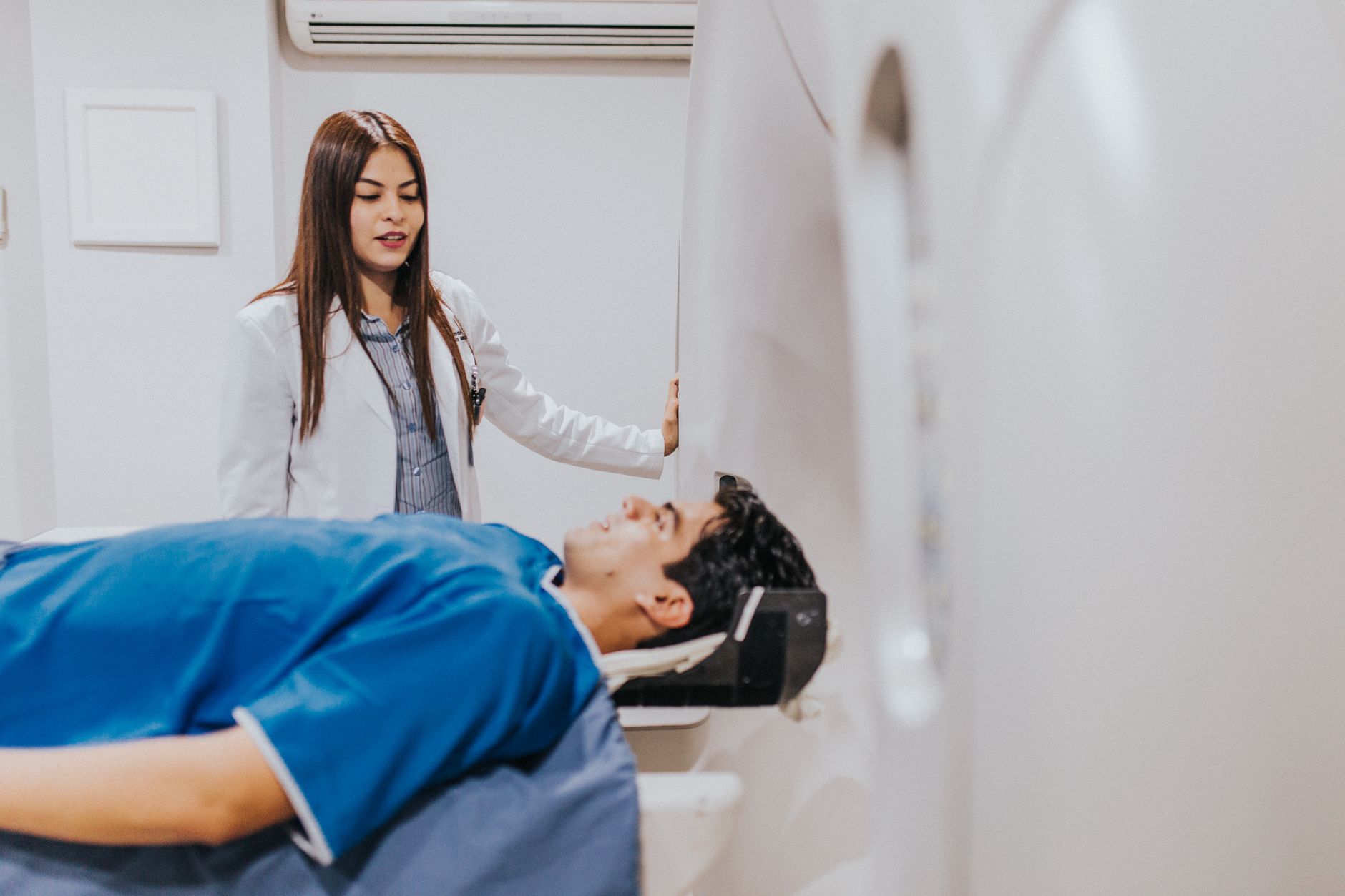
In practical terms, per WebMD, you lie on a table while a scanner mounted on an arm passes over you, usually measuring the hip and lumbar spine. It's quick, painless, non-invasive, and involves very low energy radiation. There's no injection, no fasting, and no recovery time.
Understanding Your Results
Results come back as a T-score and sometimes a Z-score, and the difference matters. The T-score compares your bone density with that of a healthy 30-year-old of the same sex, which is roughly the age of peak bone mass. The Z-score compares you with an average person of your own age and sex.
The T-score is the one used for diagnosis. A score of -1.0 or above is considered normal. Between -1.0 and -2.5 indicates osteopenia, meaning below-normal bone density that hasn't reached the osteoporosis threshold. A T-score of -2.5 or lower qualifies as osteoporosis. Z-scores aren't used to formally diagnose osteoporosis, but an unusually low one can prompt a doctor to look for an underlying cause of bone loss.
An osteopenia result is not a diagnosis of osteoporosis and it is not a sentence. It's an early warning with time attached to it, which is the entire reason screening exists.
How Often Should You Repeat It?
This is where the guidance is genuinely less settled, and it's worth knowing that rather than assuming a fixed schedule exists. The Task Force notes that evidence on appropriate screening intervals is limited and has explicitly called for more research on the question. In practice, intervals are set individually based on the first result and your risk profile, which is why two people the same age can be told different things.
The general pattern: a normal first result usually means a longer gap before the next scan, often several years, while a result in the osteopenia range typically means shorter intervals so any decline gets caught. If you're started on medication for bone loss, follow-up scans are used to track how it's working. The practical takeaway is to ask when your next scan should be rather than assuming someone will tell you, since the interval isn't automatic.
What Happens If the Result Is Abnormal
An osteopenia or osteoporosis result opens a conversation rather than closing one. The first step is usually looking for a cause beyond age: certain medications, particularly long-term corticosteroids, and conditions affecting nutrient absorption can both drive bone loss, and identifying one changes the plan.
From there, options generally fall into two tracks that are used together rather than as alternatives. The lifestyle track covers weight-bearing exercise, adequate calcium and vitamin D, stopping smoking, limiting alcohol, and fall prevention, which matters more than people expect since most fractures happen from falls. The medication track involves drugs that slow bone breakdown or promote bone formation, and whether those are appropriate depends on your T-score alongside your overall fracture risk rather than on the score alone.
Screening Is One Piece, Not the Whole Plan
A scan tells you where you stand. What you do about it is separate. Mayo Clinic's practical guidance puts calcium targets at roughly 1,000 milligrams daily under age 50 and 1,200 milligrams over 50, with vitamin D at about 400 to 800 international units under 50 and 800 to 1,000 over 50, alongside weight-bearing exercise and a balanced diet.
The modifiable risk factors matter here too. Dietfind's article on the link between lifestyle choices and osteoporosis risk covers how smoking, alcohol, and inactivity affect bone density, and those are worth addressing whether or not a scan is in your near future. If you'd like help building an eating plan around bone health specifically, Dietfind's guide to finding a registered dietitian walks through how to check credentials before booking.
If you're 65 or older, or postmenopausal with any of the risk factors above, the conversation to have at your next appointment is a short one: should I be screened, and when. Because osteoporosis gives no warning on its own, asking the question is the warning system.
Copyright Notice
© 2026 by Dietfind.com, All rights reserved. No part of this document may be reproduced or transmitted in any form or by any means, electronic, mechanical, photocopying, recording, or otherwise, without prior written permission.
Health Disclaimer
This article is for informational purposes only and is not a substitute for professional medical advice, diagnosis, or treatment. Screening recommendations vary by individual risk profile and change over time. Talk to your doctor about whether bone density screening is appropriate for you and how to interpret any results.