
Osteoporosis has a reputation as something that simply happens with age, and there's some truth in that. Bone is living tissue that constantly breaks down and rebuilds, and after a certain point the breakdown outpaces the rebuilding. But framing it as purely inevitable misses the part that's actually useful, which is that a meaningful share of the risk comes from habits you can change.
Why Osteoporosis Is Easy to Miss
Per the National Institute of Arthritis and Musculoskeletal and Skin Diseases, osteoporosis develops when bone mineral density and bone mass decrease, or when the quality and structure of bone changes, leaving bones weaker and more prone to fracture. It's often described as a silent disease because there are typically no symptoms at all until a bone breaks. That's what makes the modifiable risk factors worth taking seriously well before anything goes wrong.
Smoking
The same NIAMS overview identifies smoking as a risk factor for both osteoporosis and fracture, while noting that researchers are still working out whether the effect comes from tobacco itself or from the fact that people who smoke tend to carry other risk factors as well. The association is well documented: the International Osteoporosis Foundation points to meta-analyses linking smoking with lower bone density and higher fracture risk.
The effect extends past the initial fracture. A review of modifiable risk factors for osteoporotic fractures published through the International Bone and Mineral Society notes that smoking has been associated with worse outcomes after fracture surgery, longer healing times, and higher rates of fractures failing to knit properly.
Alcohol
Alcohol is where the dose genuinely matters, and it's worth being precise rather than alarmist. NIAMS describes chronic heavy drinking as a significant risk factor for osteoporosis. The International Osteoporosis Foundation is more specific: no significant increase in fracture risk is observed at intakes of about two units a day or less. Above that threshold, the picture changes substantially, with elevated risk for fractures generally, osteoporotic fractures specifically, and hip fractures in particular.
The mechanisms are layered. Alcohol affects bone through direct, hormonal, metabolic, and nutritional pathways, and heavy drinking also raises the risk of falling, which is how most fractures actually happen.
Inactivity
A sedentary lifestyle contributes to bone loss in two separate ways, and both matter. NIAMS notes that low physical activity and prolonged inactivity increase the rate of bone loss, and that they also leave you in worse physical condition, which raises the odds of falling and breaking a bone in the first place.
The fall side of that equation is underrated. Mayo Clinic points out that exercise is one of the few interventions shown to reduce the number of people who fall and get injured, while calcium and vitamin D, despite their benefits for bone health, have not been clearly shown to reduce falls. Strong bones and stable balance are two different protections, and exercise is the one that delivers both.
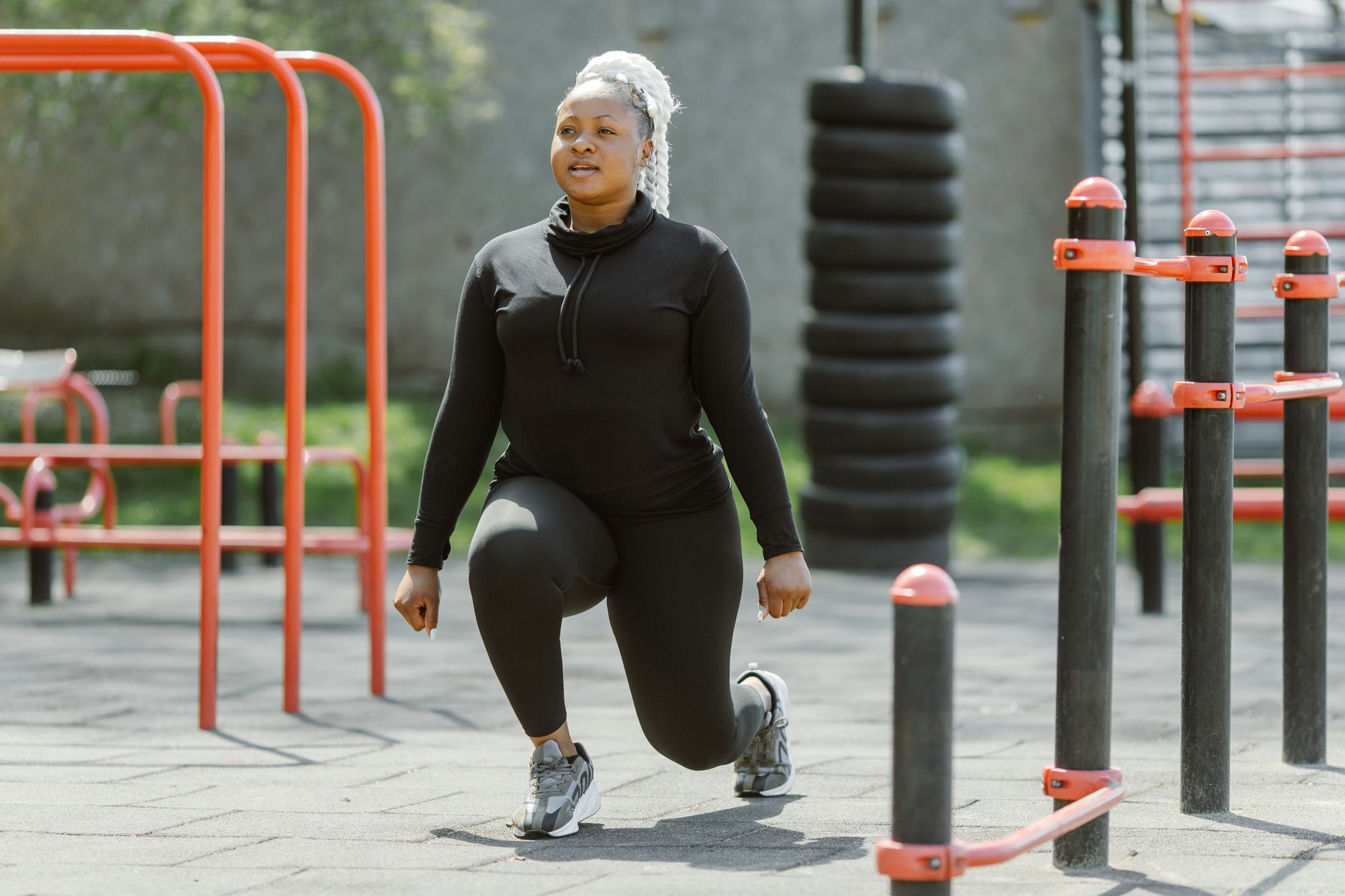
Weight-bearing activity is the category that counts here: walking, jogging, dancing, tai chi, and resistance training all qualify. Swimming and cycling have real cardiovascular value but don't load the skeleton the same way.
Nutrition
Calcium and vitamin D remain the foundation. According to Mayo Clinic, people 50 and younger should aim for about 1,000 milligrams of calcium daily and those over 50 for about 1,200 milligrams, with vitamin D targets of roughly 400 to 800 international units under 50 and 800 to 1,000 international units over 50. Those calcium figures cover food and supplements combined, not supplements alone, and many people can reach them through diet.
Peak Bone Mass and Why Timing Matters
There's a concept underneath all of this that explains why lifestyle in your twenties and thirties shows up in your seventies. Your skeleton reaches its maximum density, called peak bone mass, in early adulthood. Everything after that is a slow drawdown from that peak. Someone who builds a higher peak has more margin before their bone density falls into the range where fractures become likely.
The lifestyle factors that shape peak bone mass are the same ones that affect bone loss later: nutrition, physical activity, tobacco use, and drinking. That's an unusual case where the same advice applies across the entire lifespan, though the framing changes. In early adulthood you're building; in later adulthood you're preserving. The habits look identical either way.
Other Risk Factors Worth Knowing About
Lifestyle isn't the whole picture, and it's worth being aware of the other contributors so you can raise them with a doctor. Long-term use of certain medications, particularly corticosteroids like prednisone, is associated with bone loss, and the effect can begin within the first several months of treatment. Some anti-seizure medications, proton-pump inhibitors, and certain cancer treatments carry similar concerns.
Body weight plays a role too: a smaller, lighter frame is associated with higher risk. Eating disorders raise risk substantially, both through inadequate nutrition and through hormonal disruption. And certain medical conditions, including some digestive and autoimmune diseases, affect how well the body absorbs the nutrients bone needs. None of these means osteoporosis is inevitable, but each is a reason to have the conversation earlier rather than later.
What This Adds Up To
Family history, age, sex, and body frame aren't things you can change. Smoking, drinking, and how much you move are. Mayo Clinic frames the practical version as regularly engaging in weight-bearing activity, eating a balanced diet with adequate calcium and vitamin D, not smoking, and limiting alcohol. None of that is novel advice, which is arguably the point: the interventions that work for bone health are the same unglamorous ones that work elsewhere.
Timing matters too. Most people don't begin losing bone until their mid-50s, and women lose bone mass more rapidly for up to a decade after menopause begins. The habits that build and preserve peak bone mass pay off decades later, which makes this a topic worth acting on earlier than it feels urgent.
If you have a family history of osteoporosis or fractures, or you're approaching or past menopause, it's worth asking your doctor whether bone density screening makes sense for you. Because the disease is silent until a fracture occurs, a screening conversation is often the only way to know where you stand.
Copyright Notice
© 2026 by Dietfind.com, All rights reserved. No part of this document may be reproduced or transmitted in any form or by any means, electronic, mechanical, photocopying, recording, or otherwise, without prior written permission.
Health Disclaimer
This article is for informational purposes only and is not a substitute for professional medical advice, diagnosis, or treatment. Talk to your doctor about your personal risk of osteoporosis, whether bone density screening is appropriate for you, and before starting any new exercise or supplement routine.