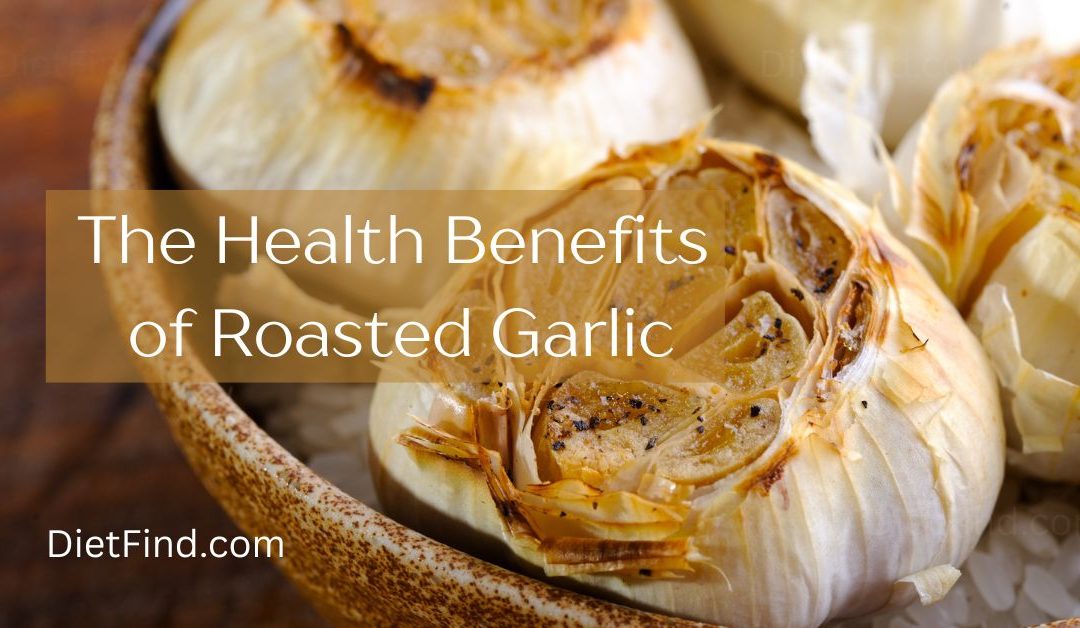
If you have ever roasted a whole head of garlic, you already know the magic. That sharp, almost biting raw clove transforms into something soft, buttery, and slightly sweet. You can spread it on toast, toss it into salad dressings, stir it into soups, or, honestly, just eat it straight off the bulb.
But roasted garlic is not just a flavor win. It turns out that this simple kitchen staple is packed with compounds that can do some genuinely good things for your body. From supporting your heart to calming inflammation, roasted garlic earns its place at the table for reasons that go well beyond taste. (If you need a quick refresher on why garlic in general deserves a spot in your diet, check out our guide to 5 reasons why you should eat garlic.)
Let's take a closer look at what makes roasted garlic worth eating on a regular basis.
What Happens When You Roast Garlic?
Raw garlic gets most of its health reputation from a compound called allicin. Allicin forms when you crush, chop, or chew a raw clove, and it is responsible for that strong, pungent smell (and flavor) that raw garlic is known for. It is also an unstable compound that breaks down pretty quickly. You can learn more about how allicin works in this detailed breakdown from Healthline.
When you roast garlic, the heat does reduce the amount of allicin present. According to research from the Nutrition Therapy Institute, roasted garlic contains less allicin per gram than raw garlic because the roasting process slows down the enzyme (alliinase) that produces it. To get a comparable amount of allicin, you would need to eat about three times as much roasted garlic as raw.
But here is the thing: allicin is not the only beneficial compound in garlic. Roasting actually increases other valuable compounds, including polyphenols and flavonoids, which are powerful antioxidants. It also creates new sulfur-containing compounds like S-allylcysteine, which is more stable and easier for your body to absorb than allicin.
In other words, you are not losing the health benefits by roasting garlic. You are just shifting the benefits you get.
Heart Health Support
This is one of the most studied areas when it comes to garlic and health. Research consistently shows that garlic can help lower blood pressure and reduce LDL (bad) cholesterol while supporting HDL (good) cholesterol levels. These effects come from garlic's sulfur compounds, which help relax blood vessels and improve circulation.
Researchers at Emory University School of Medicine found that diallyl trisulfide, a compound found in garlic oil, showed protective effects on cardiac tissue in animal studies. WebMD's overview of garlic research notes that while more human research is needed, the cardiovascular connection with garlic is well established and supported by decades of clinical data.
Roasted garlic makes it easy to eat enough garlic to see these benefits, because let's be honest, most people are not going to eat three or four raw cloves a day. But a whole roasted head spread across a few meals? That is very doable.

Anti-Inflammatory Properties
Chronic inflammation is connected to a long list of health problems, from joint pain to heart disease. Garlic's sulfur compounds, including the ones that survive and even increase during roasting, have been shown to have anti-inflammatory effects in the body.
According to Cleveland Clinic dietitian Laura Jeffers, garlic oil has been shown to work as an anti-inflammatory, and the Arthritis Foundation has even recommended it to help prevent cartilage damage from arthritis. The polyphenols and flavonoids that increase during roasting add another layer of anti-inflammatory and antioxidant support.
Immune System Boost
Garlic has a long history as a natural immune booster, and the research backs it up. Studies have found that people who consume garlic regularly tend to experience less severe cold and flu symptoms. One study highlighted by Healthline showed that participants who took aged garlic extract supplements for three months during cold and flu season had milder symptoms and missed fewer days of school or work.
What makes roasted garlic useful here is that you are more likely to eat it consistently. Raw garlic can be hard on your stomach and your breath, which makes daily consumption a tough sell for most people. Roasted garlic is mild enough to add to meals every day without thinking twice about it.
Easier on Digestion
One of the biggest practical advantages of roasted garlic over raw is how much gentler it is on your digestive system. Raw garlic can irritate the stomach lining, cause heartburn, and trigger discomfort in people with acid reflux or irritable bowel syndrome.
Roasting breaks down many of the harsher compounds that cause these issues. The result is a softer, sweeter garlic that most people can enjoy without any digestive complaints. If you have ever avoided garlic because it does not sit well with you, roasted garlic might be worth another try.
Antioxidant Power
Antioxidants help protect your cells from oxidative damage, which is linked to aging, cancer, and chronic disease. Garlic is naturally rich in antioxidants, including vitamin C, selenium, and various sulfur compounds.
A comprehensive review published in Nutrients examined over 80 clinical trials and found that garlic and its metabolites showed significant antioxidant, anti-inflammatory, and lipid-lowering effects across a wide range of health conditions. The review noted that garlic's benefits extended to cardiovascular health, metabolic disorders, blood sugar regulation, and even skin health.
The cooking process can actually boost certain antioxidant compounds. While raw garlic has more allicin, roasted garlic compensates with higher levels of polyphenols and flavonoids, giving you a different but still valuable antioxidant profile.
Blood Sugar Regulation
Research suggests that garlic may help with blood sugar management. Studies have found that garlic consumption can help lower fasting blood sugar levels and improve insulin sensitivity. These effects are attributed to garlic's antioxidant properties and its ability to support how the body produces and uses insulin.
For people watching their blood sugar or managing type 2 diabetes, adding roasted garlic to meals is a small, practical step that could make a difference over time. It is not a substitute for medical treatment, but it is a smart addition to a balanced diet.
Potential Cancer-Preventive Properties
Several large-scale studies have found associations between regular garlic consumption and reduced cancer risk. According to WebMD, the Iowa Women's Health Study, which followed more than 41,000 women, found that those who routinely ate garlic, fruits, and vegetables had a 35% lower risk of colon cancer. Another 30-year study of 125,000 participants found that people who consumed garlic five or more times a week had a lower risk of gastric cancer compared to those who ate it less than once a week.
It is important to note that these are observational studies, which means they show associations rather than direct cause and effect. But the pattern across multiple large studies is consistent enough to be worth paying attention to. Garlic contains compounds like diallyl sulfide and S-allylcysteine that researchers believe may play a role in these protective effects.
How to Roast Garlic (It Is Easier Than You Think)
If you have never roasted garlic at home, you will be surprised at how simple it is. Here is the basic method:
Preheat your oven to 400 degrees Fahrenheit. Take a whole head of garlic and slice off the top to expose the cloves. Drizzle a little olive oil over the top and add a pinch of salt if you like. Wrap the head loosely in aluminum foil and place it on a baking sheet. Roast for about 40 to 45 minutes, until the cloves are golden and soft.
Once it cools down a bit, you can squeeze the cloves right out of their skins. They will be soft, spreadable, and slightly sweet. Store any leftovers in a small container with olive oil in the fridge for up to a week.
Easy Ways to Use Roasted Garlic
Roasted garlic is incredibly versatile. Spread it on warm bread or toast with a little butter. Mash it into potatoes, stir it into pasta sauce, or blend it into a salad dressing. You can add it to hummus, mix it into soups, or use it as a topping for pizza. It also works well mashed into avocado for a twist on guacamole.
The mild, sweet flavor means you can use it generously without overpowering a dish. And since you can roast several heads at once and keep them in the fridge, it is easy to make roasted garlic a regular part of your week.
A Quick Note: Raw vs. Roasted
You will sometimes hear that raw garlic is "better" for you than cooked garlic. There is some truth to this when it comes to allicin content specifically. But the full picture is more nuanced. Raw garlic has more allicin, while roasted garlic has higher levels of other beneficial antioxidants. Both forms offer real health benefits. The Linus Pauling Institute at Oregon State University has a thorough overview of how different preparations affect garlic's compounds.
The best approach? Eat both. Use raw garlic when a recipe calls for it (salad dressings, salsas, quick marinades), and reach for roasted garlic when you want something milder and more versatile. If you are interested in using raw garlic specifically for weight management, we have a separate guide on how to eat raw garlic for weight loss. The most important thing is that you are eating garlic regularly, in whatever form you enjoy most.
One useful tip from the Cleveland Clinic: if you are cooking with raw garlic, let it sit for about 10 minutes after crushing or chopping before you apply heat. This gives the allicin time to form and stabilize, which helps preserve more of its benefits during cooking.
The Bottom Line
Roasted garlic is one of those rare foods that is both delicious and genuinely good for you. It supports heart health, fights inflammation, boosts your immune system, is gentle on your stomach, and delivers a solid dose of antioxidants. And unlike a lot of "healthy" foods, it is something most people actually want to eat.
Whether you spread it on toast, stir it into soup, or sneak it into a salad, roasted garlic is an easy, affordable way to add both flavor and nutrition to your meals. Next time you are at the grocery store, grab an extra head or two. Your taste buds and your body will thank you.
© 2026 by Dietfind.com, All rights reserved. No part of this document may be reproduced or transmitted in any form or by any means, electronic, mechanical, photocopying, recording, or otherwise, without prior written permission.
Disclaimer: This article is for informational purposes only and is not intended as medical advice. The health information provided here is based on published research and expert sources but should not be used as a substitute for professional medical guidance. Always consult your doctor or a qualified healthcare provider before making changes to your diet, especially if you have existing health conditions, take medications (particularly blood thinners), or are preparing for surgery.