
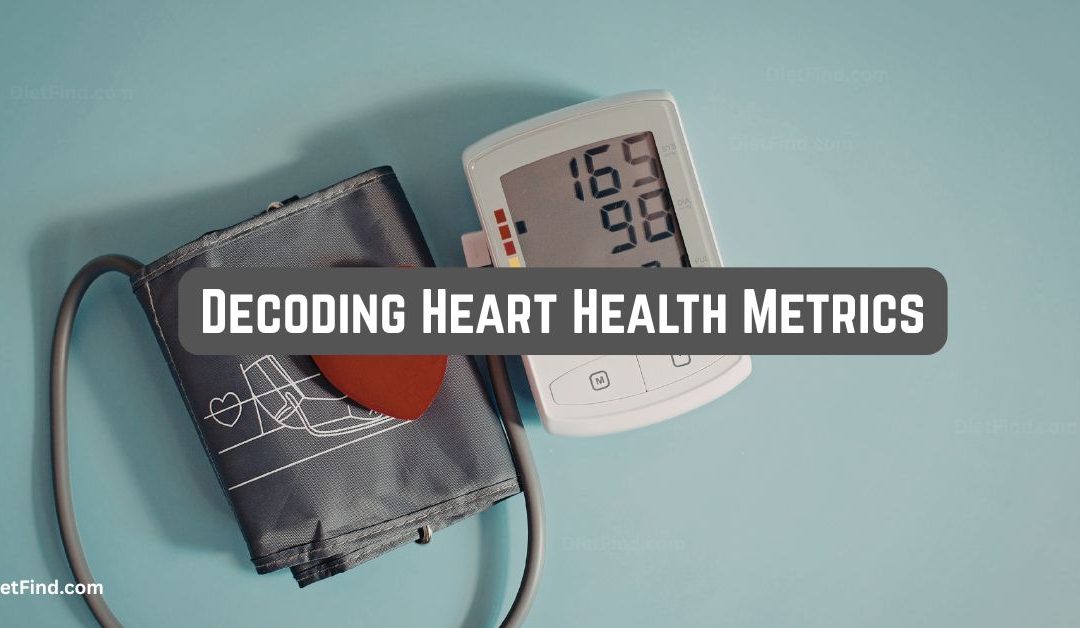
Most people leave a doctor's visit with a slip of paper full of numbers and only a vague sense of whether those numbers are good or bad. Blood pressure, cholesterol, and heart rate are the three metrics that come up most often, and they each tell a different part of the story about your cardiovascular health. Here's what they actually mean, what counts as a healthy range, and when a number is worth a follow-up conversation with your doctor.
What Your Blood Pressure Numbers Mean
Blood pressure is written as two numbers: systolic (the pressure in your arteries when your heart beats) over diastolic (the pressure between beats). In an August 2025 update to the national blood pressure guideline, the American Heart Association and American College of Cardiology kept the same four categories used since 2017, but sharpened the advice on what to do once you're in them.
According to the guideline's category breakdown, normal blood pressure is under 120 systolic and under 80 diastolic. Elevated blood pressure is 120 to 129 systolic with diastolic still under 80. Stage 1 hypertension covers 130 to 139 systolic or 80 to 89 diastolic. Stage 2 hypertension is 140 or higher systolic, or 90 or higher diastolic.
The bigger practical change is the treatment target. The updated guidance now points most adults toward keeping blood pressure under 130/80, with a goal of getting as close to 120/80 as is safely possible. If you're in the elevated or stage 1 range, that usually means diet, exercise, sodium reduction, and weight management get tried first, with medication added when those changes aren't enough or when other risk factors like diabetes or kidney disease are in the picture.
Understanding Your Cholesterol Numbers
A standard lipid panel reports several numbers, and they matter more together than any one does alone. According to the American Heart Association, triglycerides below 150 mg/dL are considered normal, and this number is reviewed alongside your other results rather than treated as a standalone target.
LDL, often called the "bad" cholesterol, is the one most closely tied to plaque buildup in the arteries. Per Cleveland Clinic, an LDL under 100 mg/dL is generally the goal, and your doctor may recommend a lower target, sometimes under 70, if you already have heart disease or several risk factors. HDL works in the opposite direction: it clears excess cholesterol out of the bloodstream, so a higher number is favorable, with 60 mg/dL and above considered protective.
Total cholesterol combines LDL, HDL, and a portion of your triglycerides into one figure. MedlinePlus, a consumer health resource from the National Institutes of Health, notes that total cholesterol alone doesn't tell the full story, since a high total driven mostly by strong HDL looks very different from the same total driven by high LDL. That's why your provider looks at the breakdown, not just the top-line number.
What Your Resting Heart Rate Tells You
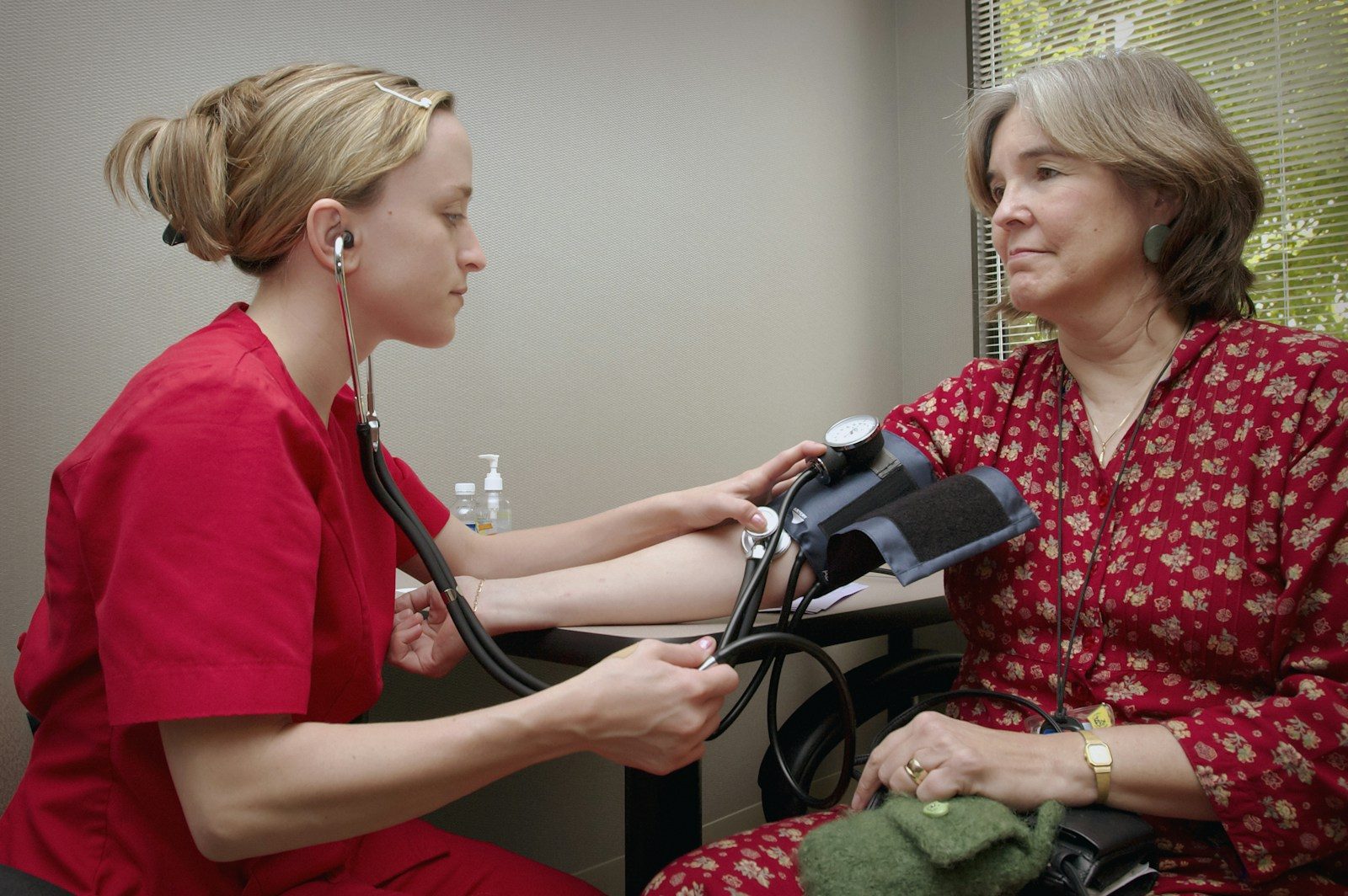
Your resting heart rate is how many times your heart beats per minute while you're calm and not moving. Per Mayo Clinic, a normal resting heart rate for adults falls between 60 and 100 beats per minute, and a lower number within that range often reflects a more efficient, well-conditioned heart. Trained athletes sometimes rest in the 40s, which is expected for them but would be worth checking on for someone who isn't in regular training.
A resting heart rate that regularly sits above 100 (tachycardia) or that drops below 60 in someone who isn't especially active (bradycardia) is worth mentioning to your doctor, particularly if it comes with symptoms like dizziness, shortness of breath, or fainting. For exercise, the American Heart Association's target heart rate chart is a useful reference for gauging whether a workout is landing in a moderate or vigorous intensity zone.
What Else Moves These Numbers
Diet and exercise get most of the attention, but sleep and stress affect blood pressure and heart rate just as directly. During normal sleep, blood pressure naturally dips, giving the cardiovascular system a period of rest. Mayo Clinic notes that getting less than six hours of sleep on a regular basis is associated with steeper increases in blood pressure over time, and that the effect tends to compound if high blood pressure is already present.
Chronic stress works through a related mechanism: it keeps stress hormones like cortisol and adrenaline elevated, which raises both heart rate and blood pressure in the short term and can contribute to sustained hypertension if it goes on long enough. The CDC's guidance on preventing high blood pressure lists consistent, adequate sleep alongside diet, physical activity, and limiting alcohol as one of the core modifiable habits that supports healthy blood pressure over time.
None of this means you need to track sleep and stress with the same precision as a lipid panel. It does mean that if your numbers are creeping in the wrong direction and your diet and activity level haven't changed much, it's worth asking whether sleep quality or an unusually stressful stretch could be part of the picture.
Putting the Numbers Together
None of these three metrics tells the whole story on its own. A healthy resting heart rate doesn't cancel out high LDL, and normal cholesterol doesn't offset elevated blood pressure. Your doctor looks at all three together, along with factors like age, family history, and blood sugar, to get a full picture of cardiovascular risk.
The good news is that the same lifestyle habits move all three numbers in the right direction. Diet is one of the biggest levers, and Dietfind's guide to heart-healthy foods is a good starting point if you want specifics on what to eat more of. If you'd rather work with a professional who can interpret your numbers and build a plan around them, Dietfind's directory of local registered dietitians is a place to start looking.
If any of your numbers fall outside the ranges described here, or if you're not sure how to interpret a lab result you've received, the right next step is a conversation with your doctor. These ranges are general guidelines, not a diagnosis, and your provider can account for your personal and family health history in a way a general guide can't.
Copyright Notice
© 2026 by Dietfind.com, All rights reserved. No part of this document may be reproduced or transmitted in any form or by any means, electronic, mechanical, photocopying, recording, or otherwise, without prior written permission.
Health Disclaimer
This article is for informational purposes only and is not a substitute for professional medical advice, diagnosis, or treatment. Always talk to your doctor or another qualified health provider about your blood pressure, cholesterol, heart rate, or any other health concern.

Trackbacks/Pingbacks