Cancer risk climbs as we get older. That is not news, and it can feel like something largely out of our hands. But a surprising share of what the research shows on cancer prevention points back to ordinary, everyday choices rather than exotic supplements or expensive protocols. In a widely cited analysis published in JAMA Oncology, researchers at the Harvard T.H. Chan School of Public Health estimated that roughly four in ten cancer cases and half of cancer deaths in the United States could be prevented with a handful of healthy habits, according to Harvard Health Publishing. The habits were familiar ones: not smoking, moderate drinking, a healthy weight, and regular physical activity.
None of that is flashy. But none of it has to be. Here are five daily habits worth building into a regular routine once you are past 50, along with what the current research actually shows about each one.
1. Drink enough water, especially in the morning
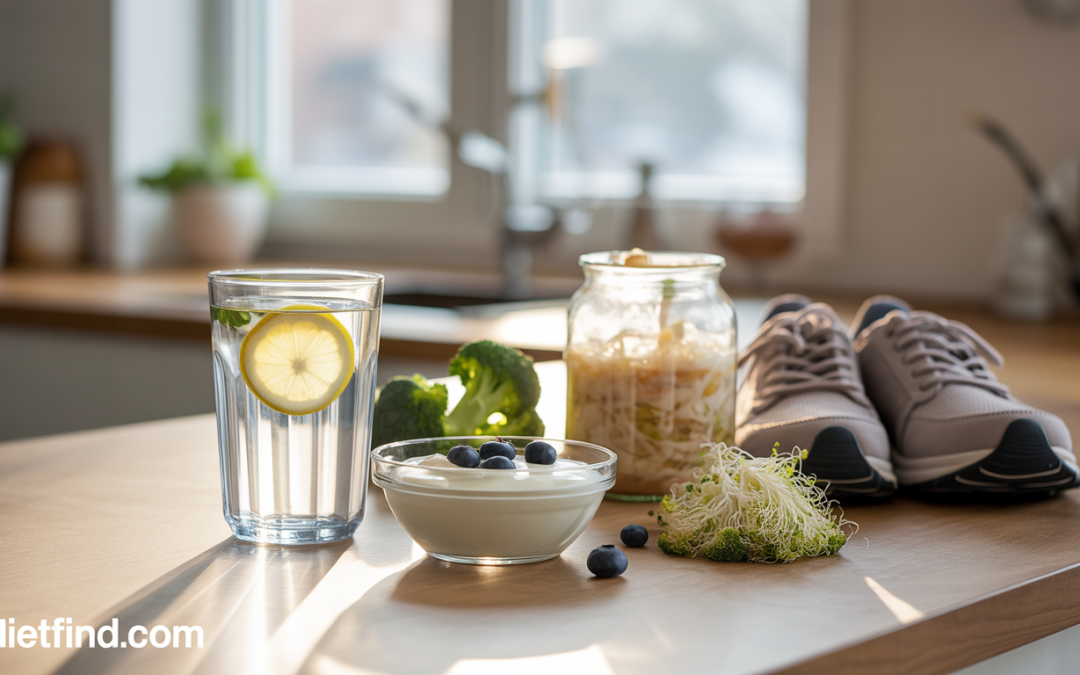
Hydration matters more than most people assume, and the thirst signal becomes less reliable as we age. The research linking total water intake to cancer risk is honestly mixed. For bladder cancer, studies in different populations have pointed in different directions. For colon cancer, several studies have found that people who drink more water tend to have somewhat lower risk, probably because regular hydration keeps things moving through the gut and reduces how long potentially irritating substances sit against the bowel lining. Mayo Clinic lists a healthy overall lifestyle, with good hydration as part of that, among the core strategies for cancer prevention.
A practical starting point: drink a full glass of water first thing in the morning, and sip throughout the day rather than waiting until you feel thirsty. If plain water is boring, unsweetened tea, sparkling water, and broth-based soups all count toward your total.
2. Add a serving of fermented food most days
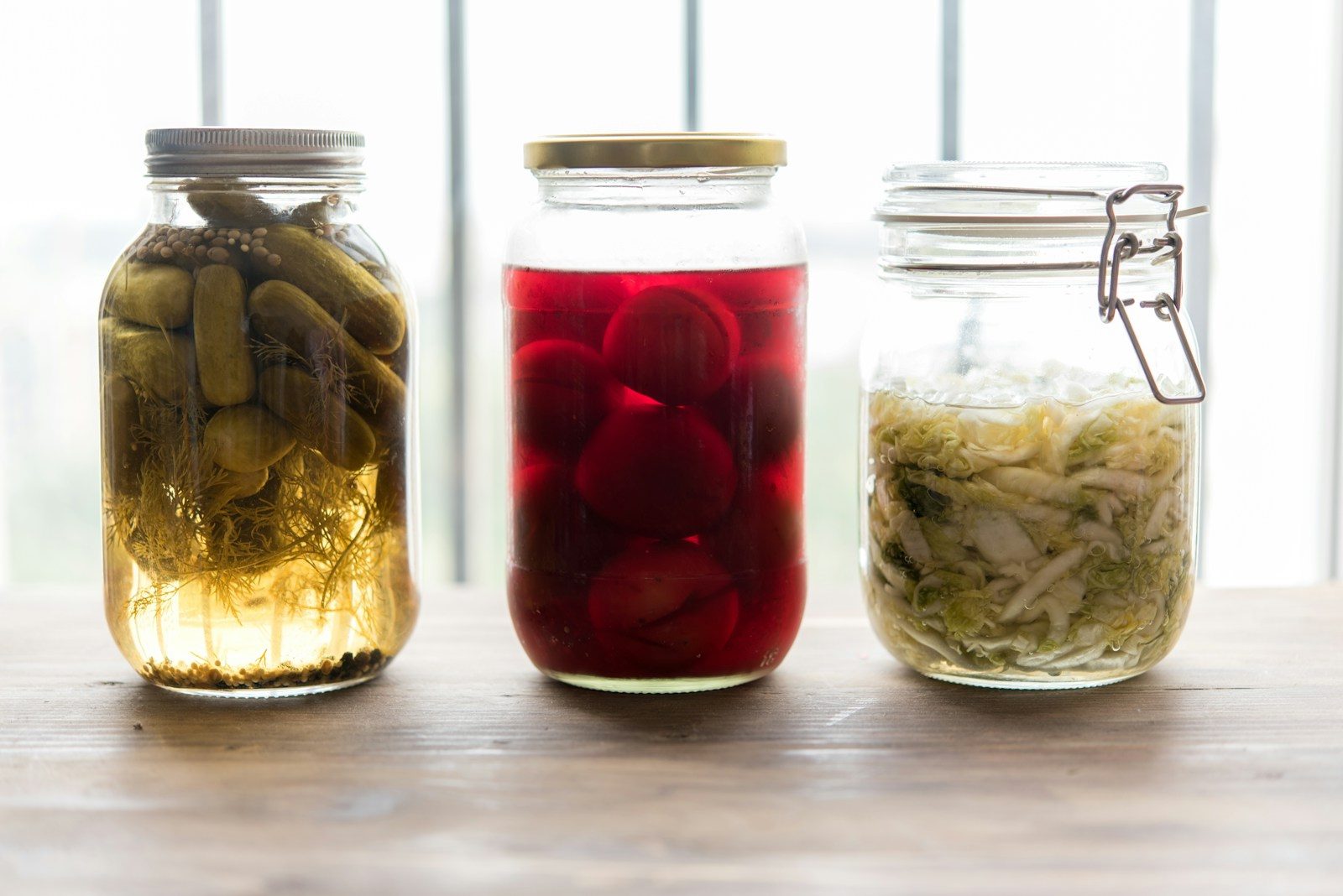
Yogurt with live cultures, kefir, sauerkraut, kimchi, and miso are all easy ways to work fermented foods into a regular eating pattern. In a ten-week clinical trial from the Stanford School of Medicine, healthy adults who added fermented foods to their diet showed increased gut microbiome diversity and measurable drops in nineteen inflammatory proteins. Chronic low-grade inflammation is one of the mechanisms researchers believe contributes to cancer development over the long term, so anything that calms it down is a reasonable investment.
A few practical notes. Look for labels that say "live and active cultures." Pasteurization used in some shelf-stable products kills the bacteria that make fermented foods useful in the first place. And if fermented foods are new to your gut, start small. A few tablespoons of sauerkraut or half a cup of kefir is plenty to begin with.
3. Move every day, even if it is just a walk
Physical activity is the most well-documented habit on this list. According to the National Cancer Institute, higher levels of physical activity are linked with lower risk of at least thirteen different cancers, including bladder, breast, colon, endometrial, esophageal, kidney, and stomach cancers. The risk reductions across large studies typically run in the 10 to 20 percent range, which is meaningful over a lifetime.
The good news is you do not need to train for anything. Current U.S. guidelines recommend 150 to 300 minutes of moderate-intensity activity per week, and brisk walking counts. Splitting that into 30 minutes most days of the week is a realistic target for most people over 50. If you already do some strength training, keep it up. Muscle-building activity supports metabolism and helps preserve function as you age, which matters for nearly every aspect of health, not just cancer risk.
4. Eat cruciferous vegetables regularly, and prepare them right
Broccoli, Brussels sprouts, cauliflower, cabbage, kale, and broccoli sprouts contain a compound called sulforaphane that has drawn a lot of cancer research attention. MD Anderson Cancer Center describes sulforaphane as a phytochemical that activates cellular pathways involved in detoxification and antioxidant defense, and observational studies consistently link higher cruciferous vegetable intake with lower cancer risk. Human trials are still relatively small, but the signal has been consistent enough that major cancer centers include these vegetables in their dietary recommendations.
One practical note that often gets missed: sulforaphane is not sitting ready to go in raw broccoli. It forms when you chop or chew the vegetable, and an enzyme called myrosinase kicks in. High heat destroys that enzyme, so if you boil broccoli until it goes soft and gray, you are throwing most of the benefit down the drain. Light steaming for a few minutes, a quick stir-fry, or eating it raw or lightly blanched preserves more of what makes it useful. Chopping your broccoli and letting it sit for 30 to 40 minutes before cooking also helps.
5. Protect your sleep
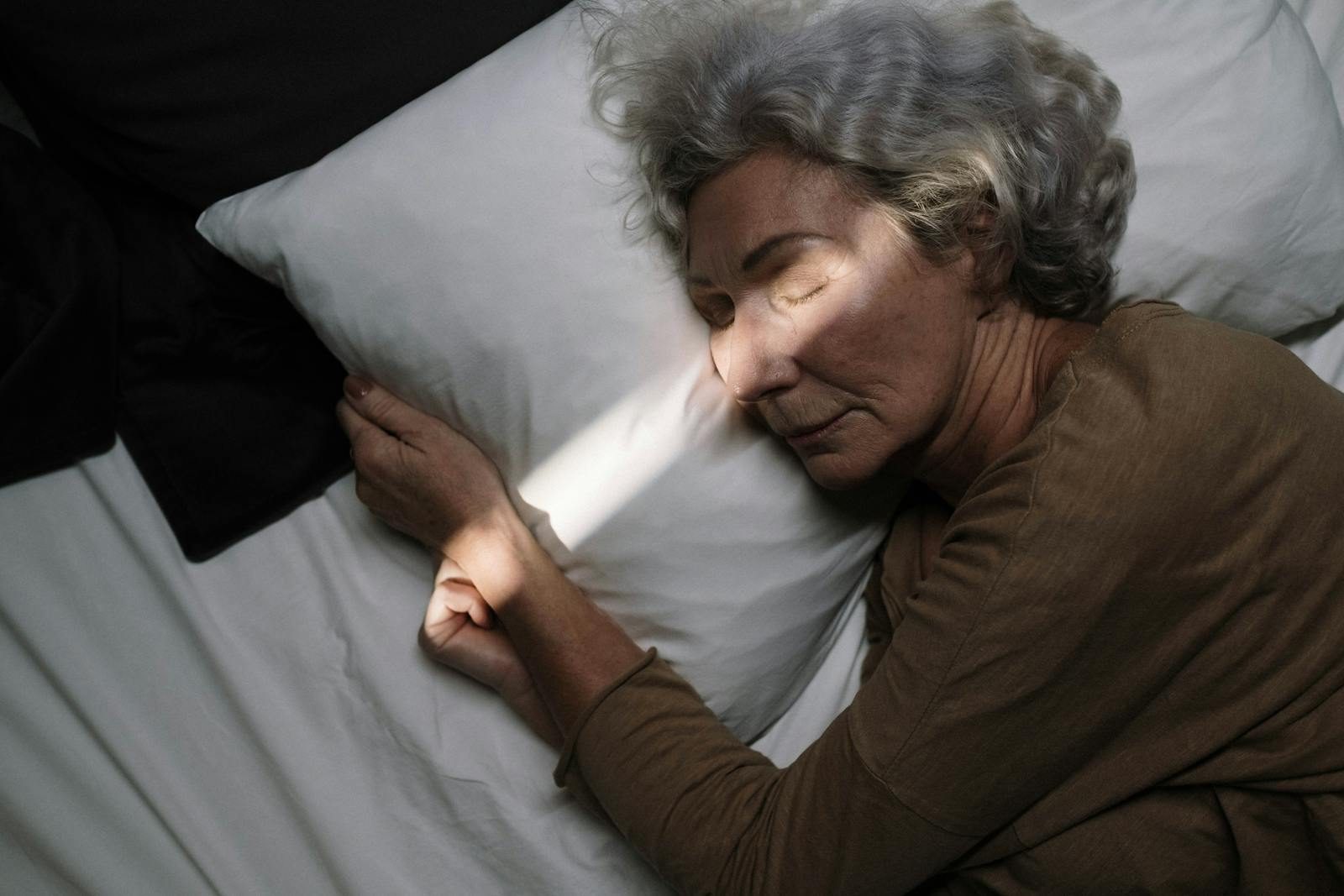
Sleep is the quiet part of cancer prevention that gets the least attention. The pineal gland produces melatonin primarily during darkness, and melatonin does more than help you nod off. It acts as an antioxidant and helps regulate the immune system, including the natural killer cells that patrol the body for abnormal cells. A large cohort study published in JMIR Public Health and Surveillance tracked sleep duration trajectories over time and found associations between short or disrupted sleep and higher cancer risk, alongside other cohort evidence linking sleeping less than six hours to elevated risk of digestive and respiratory cancers. The International Agency for Research on Cancer has also classified long-term night shift work as a probable carcinogen, largely because of how it disrupts circadian rhythm and melatonin production.
For adults over 50, the research generally supports keeping sleep consistent and protecting the dark hours. That means a regular bedtime and wake time, a cool and dark bedroom, and limiting bright light, especially from screens, in the hour before bed. If you snore loudly, wake up tired no matter how long you sleep, or find yourself nodding off during the day, it is worth asking your doctor about sleep apnea. It is common and often untreated in older adults, and it has its own health consequences beyond tiredness.
None of these are magic
No single habit prevents cancer. Cancer is complicated, and some risk factors, like genetics, age, and past exposures, are not things you can change. What the research does show is that small, consistent choices compound over time. Cleveland Clinic oncologists put the number from the global research at roughly a 45 percent reduction in risk for people who combine several healthy habits together, not from any single one of them. If you already do two or three of these, adding a fourth is worth the effort. If you do none of them, starting with one is still meaningful.
Cancer screening is still the other half of the equation. Colonoscopies, mammograms, low-dose CT scans for people with a smoking history, and skin checks catch things early, when lifestyle alone is not enough. Talk with your doctor about which screenings make sense based on your age, family history, and personal risk factors. The goal is not to chase one miracle habit. It is to build a set of small, sustainable ones that work together, day after day.
Copyright Notice
© 2026 by Dietfind.com, All rights reserved. No part of this document may be reproduced or transmitted in any form or by any means, electronic, mechanical, photocopying, recording, or otherwise, without prior written permission.
Health Disclaimer
This article is intended for general information and educational purposes only. It is not medical advice and should not be used as a substitute for professional medical care, diagnosis, or treatment. Always consult a qualified healthcare provider about your personal health, medications, supplements, and any changes to your diet or exercise routine, especially if you have existing medical conditions, a history of cancer, or a family history of cancer. Individual results will vary, and no lifestyle change can guarantee the prevention of any disease.