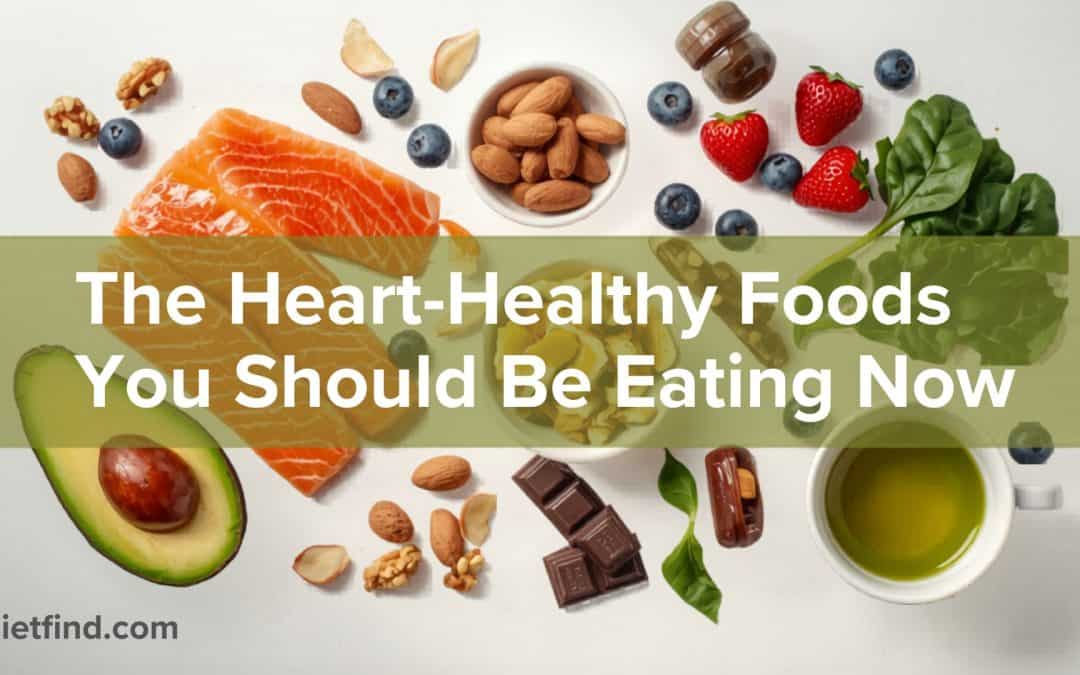
Your heart does a lot for you. It beats around 100,000 times a day without you even thinking about it. The least you can do is feed it well. The good news is that eating for heart health doesn’t mean choking down bland, boring meals. The foods that keep your cardiovascular system running strong are actually some of the most delicious things you can put on your plate.
Here are ten categories of heart-healthy foods worth adding to your regular rotation, along with the specific reasons they matter and how much you should actually be eating.
Why What You Eat Matters for Your Heart
Heart disease remains the leading cause of death in the United States, responsible for roughly 1 in every 5 deaths, according to the CDC. While exercise and stress management both play important roles, research consistently shows that diet is one of the most powerful tools you have for reducing your risk. The foods below have solid science behind them, and most of them are easy to find at any grocery store.
1. Fruits and Vegetables
This one isn’t exactly breaking news, but it’s worth repeating because most people still aren’t eating enough. The American Heart Association recommends at least 4 to 5 servings of each per day, and most adults fall short.
Fruits and vegetables are loaded with vitamins, minerals, fiber, and antioxidants that help protect your blood vessels and reduce inflammation. Berries are particularly strong performers thanks to their high anthocyanin content. Leafy greens like spinach and kale are rich in nitrates, which help improve blood pressure. Citrus fruits, tomatoes, and broccoli all bring their own unique benefits to the table.
Fresh, frozen, canned (look for low-sodium options), blended into smoothies, tossed in salads. It all counts. The key is variety and consistency.
2. Whole Grains
Whole grains are one of the best sources of dietary fiber, and fiber is a big deal for your heart. It helps lower LDL (“bad”) cholesterol by binding to cholesterol particles in your digestive system and moving them out of your body before they hit your bloodstream.
Good options include oats, brown rice, quinoa, barley, and whole wheat. These grains also deliver B vitamins, iron, and magnesium. Aim for at least three servings of whole grains per day.
One easy swap: trade white bread, white rice, and regular pasta for their whole-grain versions. You’ll barely notice the difference in taste, but your heart will notice the difference in fiber.
3. Lean Protein
Protein matters, but where you get it matters just as much. Lean protein sources like skinless poultry, beans, lentils, and tofu deliver what your body needs without loading you up on saturated fat.
Fish deserves a special mention here. The American Heart Association recommends eating fish (particularly fatty fish) at least two times per week. Salmon, sardines, mackerel, and trout are all rich in omega-3 fatty acids, which help reduce triglycerides, lower blood pressure slightly, and reduce the risk of irregular heartbeat.
If you eat red meat, stick with lean cuts like sirloin or tenderloin, and treat it as an occasional choice rather than a daily staple.
4. Healthy Fats
Fat isn’t the enemy. The type of fat you eat is what matters. Monounsaturated and polyunsaturated fats actually help improve your cholesterol profile when they replace saturated fats in your diet.
Avocados, olive oil (especially extra virgin), nuts, and seeds are all excellent sources. A simple place to start: use olive oil instead of butter when cooking. Slice some avocado onto your sandwich instead of cheese. Small swaps like these add up over time.
The goal isn’t to eliminate all saturated fat. It’s to shift the balance so that most of the fat in your diet comes from healthier sources.
5. Dairy Products
The conversation around dairy and heart health has evolved quite a bit in recent years. For a long time, the standard advice was to stick with low-fat or fat-free dairy. But newer research, including a large 2018 study published in The Lancet covering over 130,000 people across 21 countries, found that moderate dairy intake (including full-fat) was associated with lower rates of cardiovascular disease and mortality.
That doesn’t mean you should go overboard, but it does mean you have more flexibility than the old guidelines suggested. Yogurt (especially varieties with live cultures) seems to be particularly beneficial. Milk and cheese can both be part of a heart-healthy diet in reasonable amounts.
The bottom line: choose the dairy products you enjoy, pay attention to portion sizes, and don’t stress too much about whether the label says 2% or whole.
6. Legumes and Beans
If there’s an underrated food group on this list, it’s legumes. Lentils, chickpeas, black beans, kidney beans, and other legumes are packed with protein, fiber, folate, and potassium. They check a lot of boxes at once.
Studies have shown that eating legumes four or more times per week is associated with a 22% lower risk of coronary heart disease compared to eating them less than once a week. That’s a significant number for something that costs about a dollar a can.
They’re also incredibly versatile. Toss chickpeas in a salad, blend them into hummus, add black beans to tacos, or use lentils as a base for soup. If you’re not used to eating beans regularly, start slow and increase gradually to give your digestive system time to adjust.
7. Nuts and Seeds
A small handful of nuts (about 1.5 ounces, or roughly a quarter cup) most days of the week can make a real difference. Nuts are rich in unsaturated fats, omega-3s, fiber, and vitamin E.
Almonds and walnuts tend to get the most attention in heart health research, but pistachios, cashews, and pecans are solid choices too. For seeds, flaxseeds, chia seeds, hemp seeds, and pumpkin seeds all bring heart-healthy nutrients to the table.
One thing to keep in mind: nuts and seeds are calorie-dense. A quarter cup of almonds has about 200 calories. They’re worth eating, but portion awareness matters. Go for raw or dry-roasted varieties when possible, and skip the ones coated in sugar or excess salt.
8. Herbs and Spices
Cooking with herbs and spices does two good things for your heart at once. First, many of them have direct health benefits. Second, they make food taste great without adding sodium, which is one of the biggest dietary contributors to high blood pressure.
Garlic has been studied extensively and appears to help modestly lower blood pressure and cholesterol. Turmeric contains curcumin, a compound with strong anti-inflammatory properties. Ginger and cinnamon have both shown promise in supporting healthy blood sugar and cholesterol levels, though more research is still needed.
Even if you set aside the direct health benefits, simply using herbs and spices to replace salt in your cooking is a meaningful win for your heart.
9. Dark Chocolate
Yes, chocolate made the list. But before you tear open a king-size candy bar, there are a few conditions.
The benefits come from flavonoids, specifically a type called flavanols, found in cocoa. These compounds help improve blood flow, reduce inflammation, and may help lower blood pressure. But to get the benefits, you need dark chocolate with at least 70% cocoa content. Milk chocolate and most commercial candy bars don’t have enough cocoa to move the needle.
How much? Most research points to about 1 to 1.5 ounces per day as a reasonable amount. That’s roughly two to three small squares, not an entire bar. Think of it as a treat that happens to have some upside, not a health food you can eat without limits.
10. Green Tea
Green tea has been a staple in many cultures for centuries, and modern research backs up a lot of the traditional claims about its health benefits. It’s rich in catechins, a type of antioxidant that helps protect cells from damage and reduces inflammation.
A meta-analysis of multiple studies found that drinking three or more cups of green tea per day was associated with a reduced risk of heart attack and stroke. Green tea has also been linked to modest improvements in blood pressure and LDL cholesterol.
If you’re not a tea person, even one or two cups a day can be a step in the right direction. Just skip the versions loaded with added sugar, which would cancel out a lot of the benefit.
Putting It All Together
You don’t need to overhaul your entire diet overnight. Pick two or three items from this list that appeal to you and start working them into your meals this week. Swap white rice for brown rice. Add a handful of walnuts to your afternoon snack. Cook with olive oil instead of butter. Small, consistent changes tend to stick better than dramatic ones.
If you have existing heart conditions or specific dietary needs, talk to your doctor or a registered dietitian before making major changes. They can help you put together a plan that works for your situation.
Your heart works hard for you every single day. Feeding it well is one of the simplest and most effective ways to return the favor.
© 2026 by Dietfind.com, All rights reserved. No part of this document may be reproduced or transmitted in any form or by any means, electronic, mechanical, photocopying, recording, or otherwise, without prior written permission.
Disclaimer: This article is for informational purposes only and is not intended as medical advice. Always consult with a qualified healthcare professional before making significant changes to your diet, especially if you have existing health conditions or are taking medication.